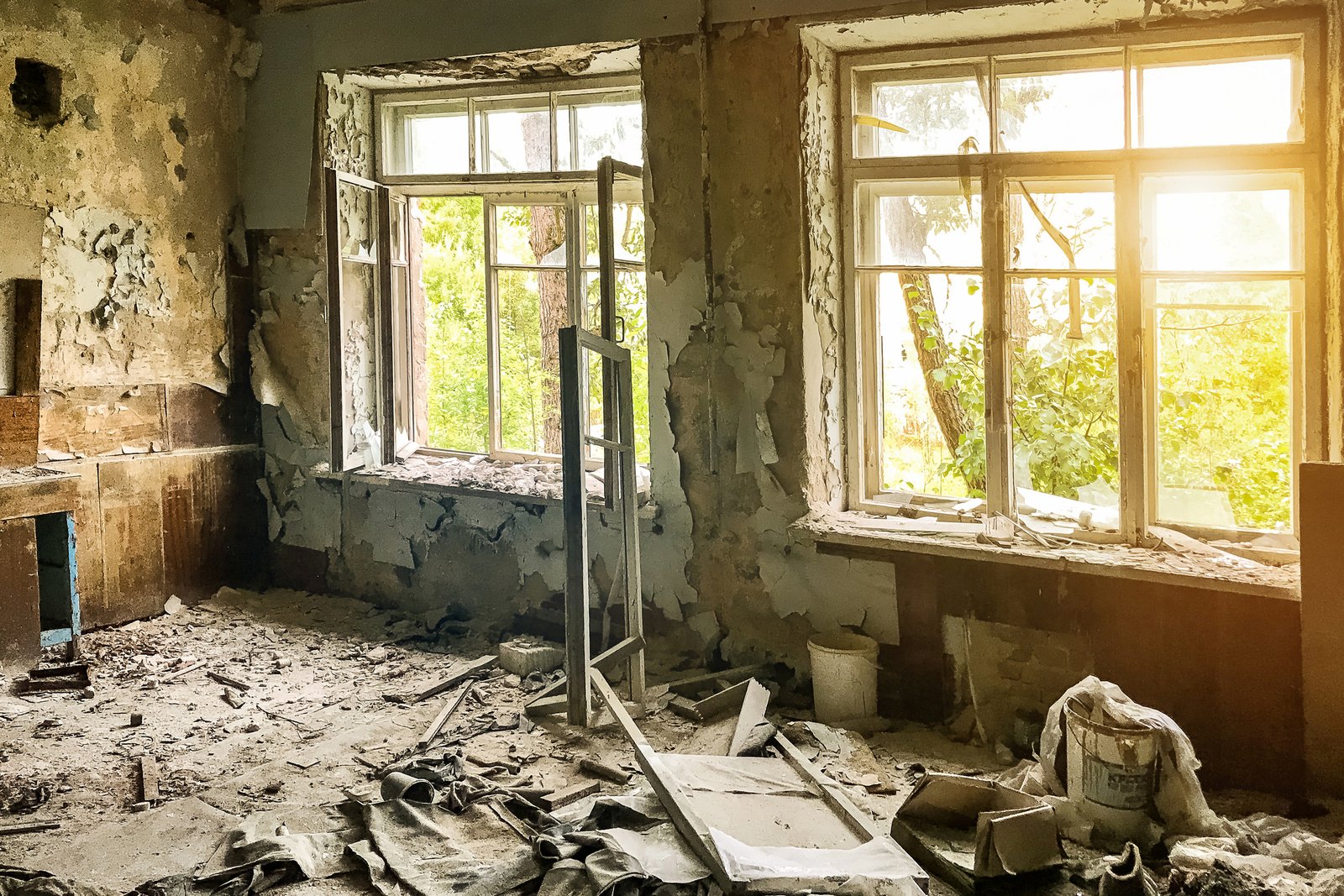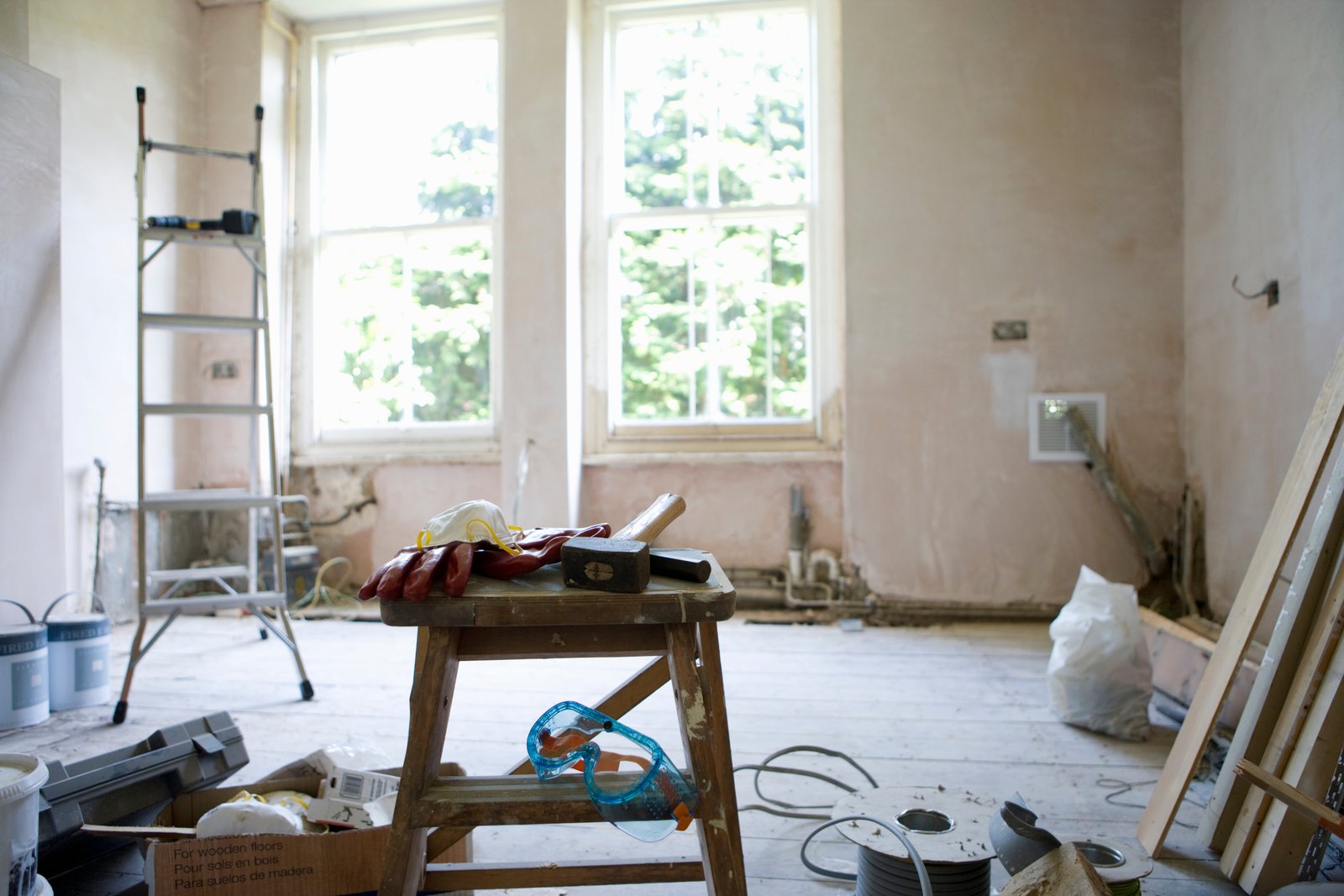
After a burst pipe, a fire, or a mold discovery, most homeowners aren't sure who to call. A plumber? A general contractor? The answer is usually a restoration contractor — a specialist in bringing damaged property back to its pre-loss condition. Here's exactly what that means.
What a restoration contractor does
A restoration contractor specializes in repairing and rebuilding property after sudden damage — most commonly from water, fire, smoke, mold or storms. Unlike a builder who starts from a blank slate, a restoration contractor works with what's already there: stabilizing the damage, removing what can't be saved, drying and decontaminating, and then reconstructing so the home looks and functions as it did before.
Their work usually spans two phases that often get confused:
- Mitigation — the urgent, first-response work that stops damage from spreading: water extraction, drying, board-up, containment.
- Restoration / rebuild — the repair work that follows: replacing drywall and flooring, repainting, and rebuilding structure.
Restoration contractor vs. general contractor
The two overlap, but the difference matters:
| Restoration contractor | General contractor | |
|---|---|---|
| Starting point | An existing, damaged structure | New build or planned remodel |
| Speed | Emergency, often 24/7 | Scheduled timelines |
| Specialized skills | Drying, mold, smoke/odor, decontamination | General construction |
| Insurance | Works directly with claims daily | Sometimes |
A good restoration contractor brings specialized equipment (commercial dehumidifiers, air scrubbers, moisture meters) and certifications, plus fluency in the insurance process — which is where most of the stress lives for homeowners.
When you need one
- Water damage — burst pipes, appliance leaks, roof leaks, flooding (see the process)
- Fire and smoke — even a small fire leaves smoke and soot throughout a home (fire restoration)
- Mold — visible growth or a persistent musty smell (mold remediation)
- Storm damage — wind, hail and water intrusion after severe weather (storm restoration)
With water and mold especially, every hour counts. Category 1 (clean) water can degrade into contaminated water within 24–48 hours, and mold can begin growing in as little as a day. Calling quickly is the cheapest way to limit the damage.
They speak insurance
One of the biggest reasons to use a restoration contractor rather than piecing together separate trades is that they document damage properly for your insurer and often bill the insurance company directly. That documentation — photos, moisture readings, a clear scope — is what gets claims approved. We cover this in depth in working with insurance on a restoration claim.
Choosing the right one
Not all restoration contractors are equal. Look for proper licensing and insurance, relevant certifications, 24/7 availability, transparent scope and pricing, and strong local reviews. Our checklist for choosing a restoration contractor walks through exactly what to ask.
A restoration contractor is the specialist who stabilizes, cleans and rebuilds your home after sudden damage — combining emergency response, specialized equipment and insurance expertise that a general contractor typically doesn't offer.
Dealing with damage right now? Get a free assessment — we'll tell you honestly what's involved.
Frequently asked questions
What does a restoration contractor do?
A restoration contractor repairs and rebuilds property after sudden damage from water, fire, smoke, mold or storms. They handle both mitigation (emergency work to stop damage spreading) and restoration (cleaning and rebuilding to pre-loss condition).
What is the difference between a restoration contractor and a general contractor?
A restoration contractor specializes in repairing existing, damaged structures with emergency response, specialized drying and decontamination equipment, and insurance expertise. A general contractor focuses on new builds and planned remodels.
When should I call a restoration contractor?
Call one for water damage (burst pipes, leaks, flooding), fire and smoke damage, mold growth, or storm damage. With water and mold, call quickly — damage worsens within 24–48 hours.
Do restoration contractors work with insurance?
Yes. Most work directly with insurance claims daily, documenting damage with photos and moisture readings and often billing the insurer directly, which helps claims get approved.

Restore Upper Truckee — 24/7 water, fire and mold damage restoration and practical guides for homeowners across South Lake Tahoe & the Upper Truckee region. Dealing with damage now? Get emergency help.