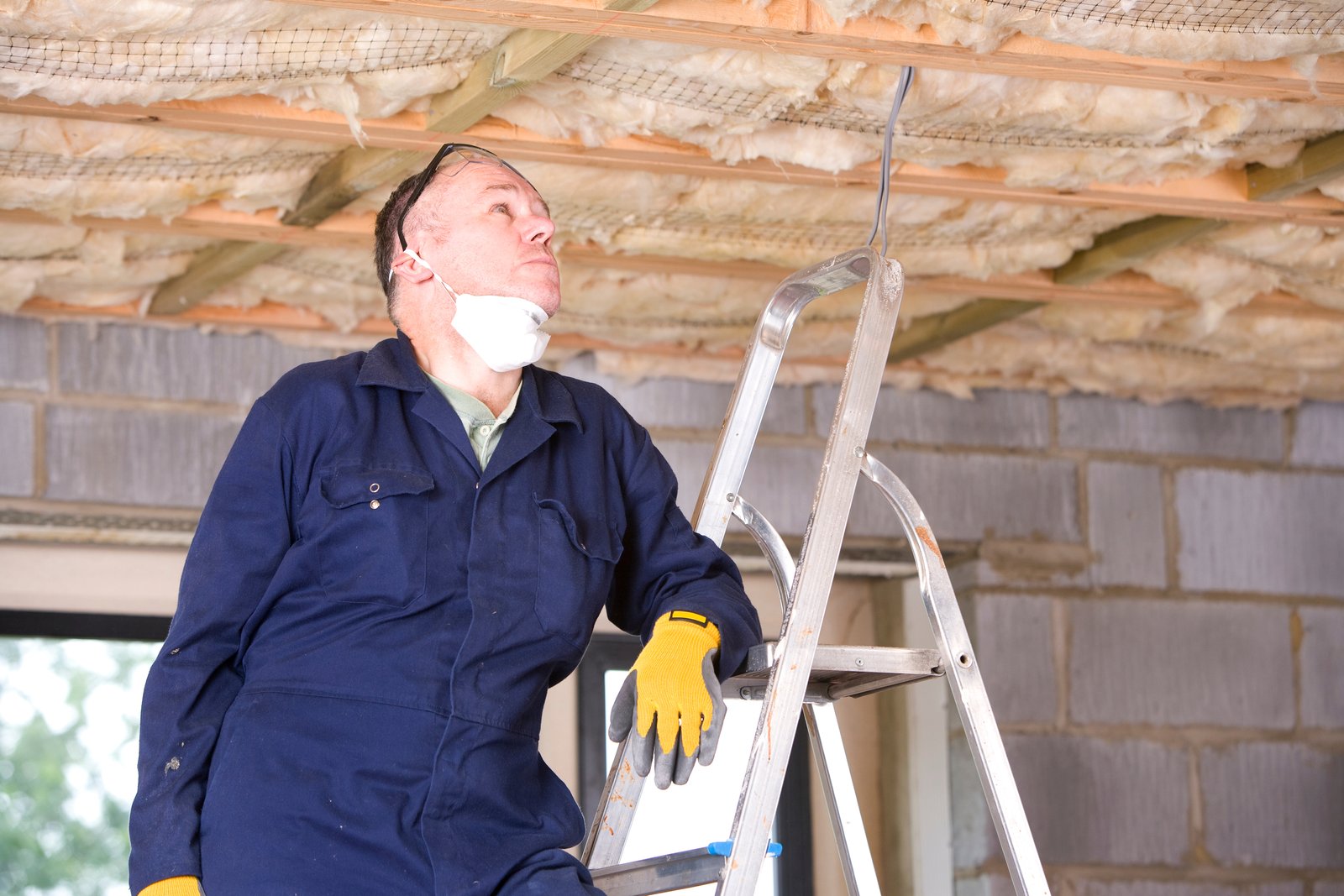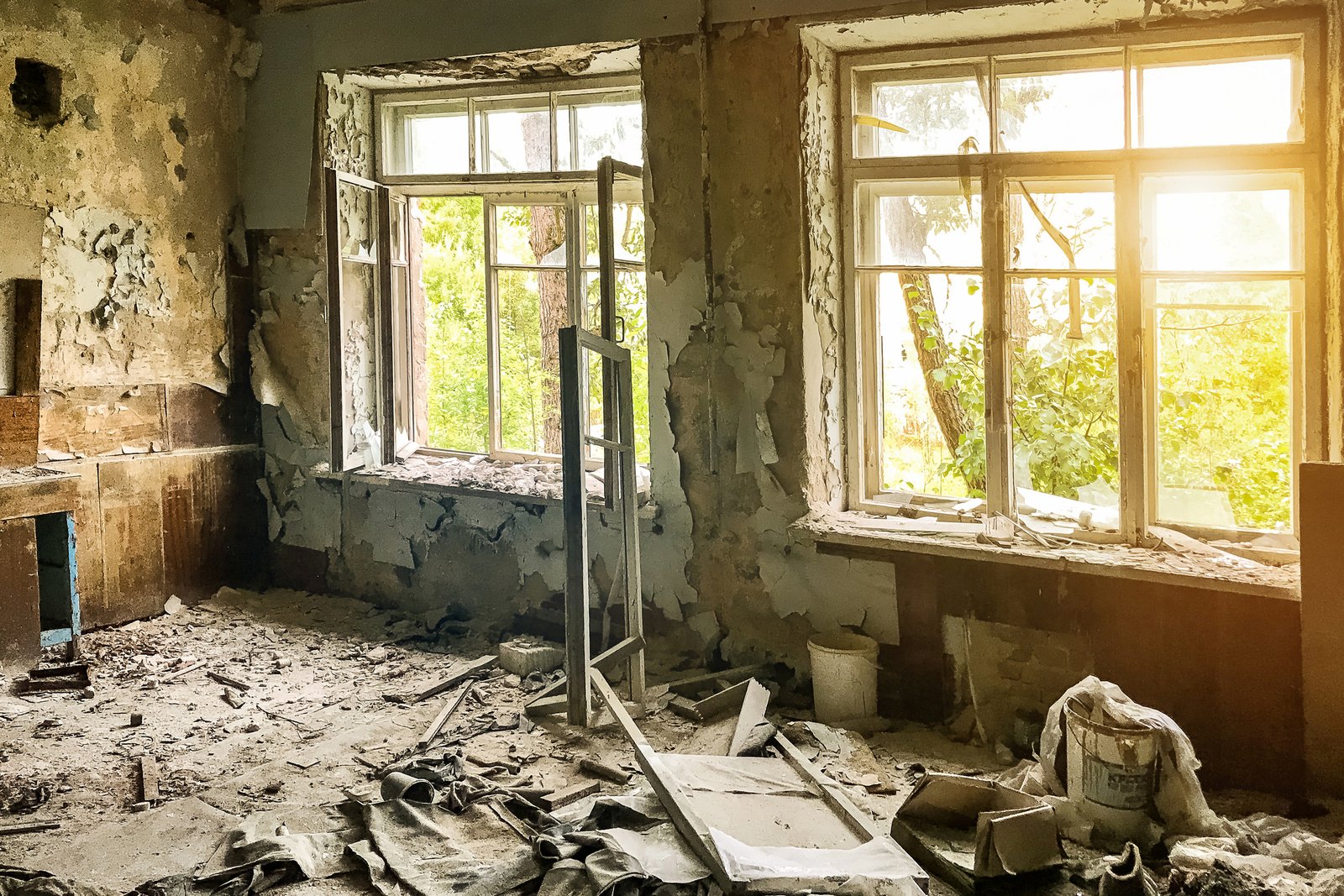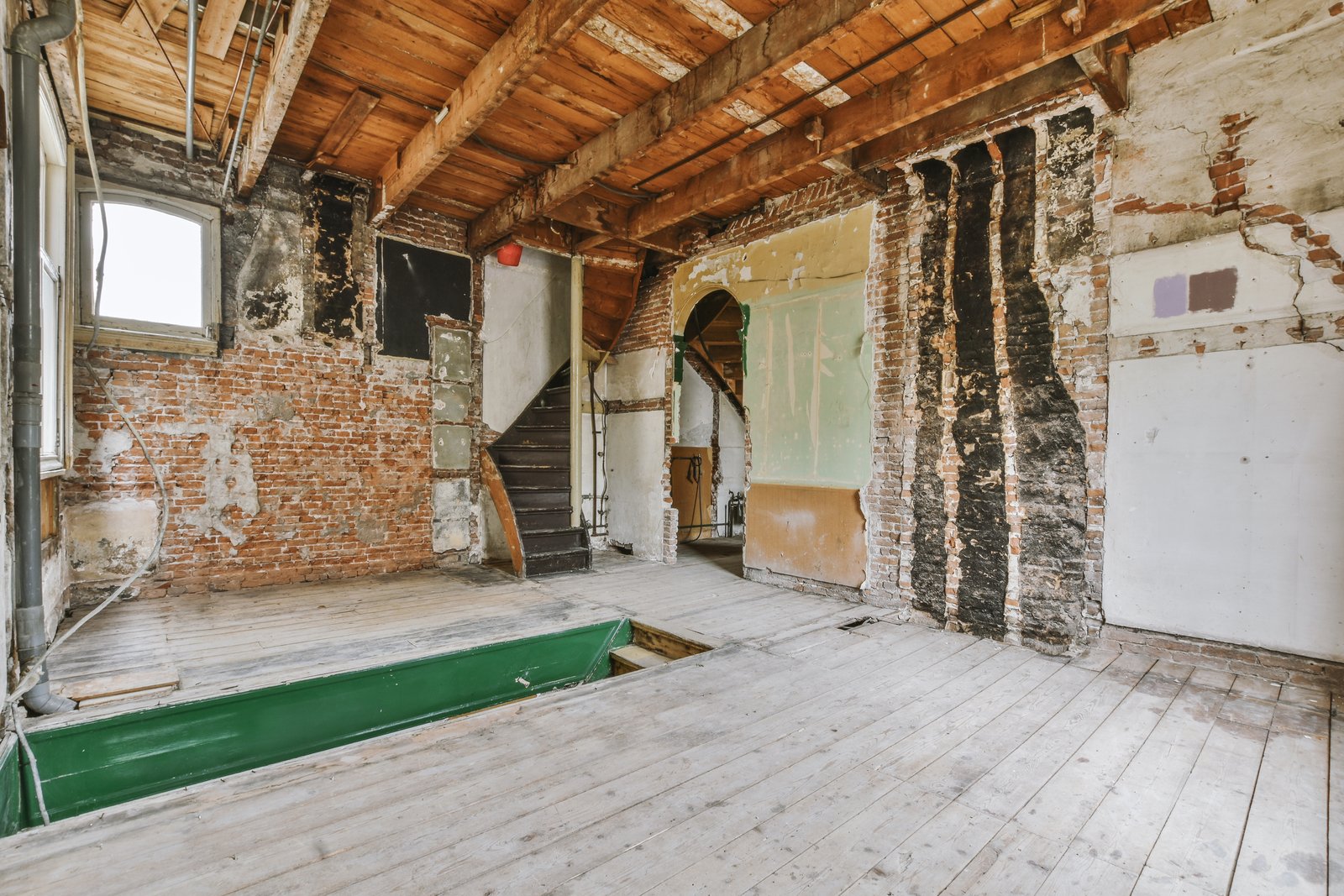
Severe weather damages a home in layers — wind lifts roofing, hail cracks surfaces, and the rain that follows pours through every new opening. Storm damage restoration is about stopping that cascade fast and rebuilding properly.
The types of storm damage
- Wind — lifted or missing roofing, fallen trees, damaged siding and windows.
- Hail — dented or cracked roofing, gutters and exterior surfaces, often with hidden bruising.
- Water intrusion — the secondary damage as rain enters through wind- or hail-created openings.
- Flooding — ground water entering the structure, often Category 3 contaminated water.
The dangerous part is the combination: a small roof breach during a storm can soak insulation, ceilings and walls within hours, turning an exterior repair into a full interior water damage job.
The restoration process
- 1. Safety first. Don't enter a structurally compromised home or near downed power lines.
- 2. Emergency stabilization. Roof tarping and board-up to stop further water and secure the property.
- 3. Water mitigation. Extraction and drying of any intrusion before mold sets in.
- 4. Assessment & documentation. A full inspection — including hidden damage — documented for insurance.
- 5. Repair & rebuild. Roofing, structure, and interior restoration back to pre-storm condition.
Photograph everything before any cleanup or temporary repairs — and keep receipts for tarps and emergency work. Insurers reimburse reasonable steps to prevent further damage, but only if you can prove the original condition.
Watch for hidden damage
Storm damage is notorious for what you can't see: hairline roof cracks, lifted shingles that reseal, bruised areas that fail months later, and moisture wicking into wall cavities. A professional assessment with moisture detection catches these before they become expensive surprises.
Insurance & storms
Wind and hail damage are typically covered by homeowners insurance; flood damage usually requires separate flood insurance. After a major regional storm, file promptly — adjusters get overwhelmed and good documentation moves you up the queue. Our insurance restoration guide covers the details.
The priority after a storm is stopping water intrusion fast with tarping and board-up. The cheapest storm claim is the one where secondary water damage was prevented in the first 24 hours.
Storm just hit? Call for emergency board-up — we'll secure the property and document everything for your claim.
Frequently asked questions
What does storm damage restoration involve?
Emergency stabilization (roof tarping and board-up), water mitigation for any intrusion, a documented assessment including hidden damage, and full repair and rebuild of roofing, structure and interiors.
What should I do first after storm damage?
Ensure safety (avoid compromised structures and downed power lines), then stop further water intrusion with tarping or board-up, and photograph everything before cleanup for your insurance claim.
Does insurance cover storm damage?
Wind and hail damage are typically covered by homeowners insurance. Flood damage usually requires separate flood insurance. File promptly after major storms and document thoroughly.
Why is hidden storm damage a concern?
Storms cause damage you cannot easily see — hairline roof cracks, lifted shingles that reseal, and moisture in wall cavities — which can fail or grow mold months later. A professional moisture assessment catches it early.

Restore Upper Truckee — 24/7 water, fire and mold damage restoration and practical guides for homeowners across South Lake Tahoe & the Upper Truckee region. Dealing with damage now? Get emergency help.